
Energy Saving Tips
Sep 15, 2024Homes in the Boulder, Colorado, area need to work hard to stay cool all summer long and hold onto warmth throughout the long, snowy winters. Instead of having to pay extra on your heating and cooling bills, there are plenty of steps you can take to keep yourself and your family comfortable throughout the changing seasons, such as upgrading to energy-efficient windows, eliminating drafts, and shoring up insulation along the exterior of your home. Consider these four energy-saving tips about how to make your house more energy efficient.
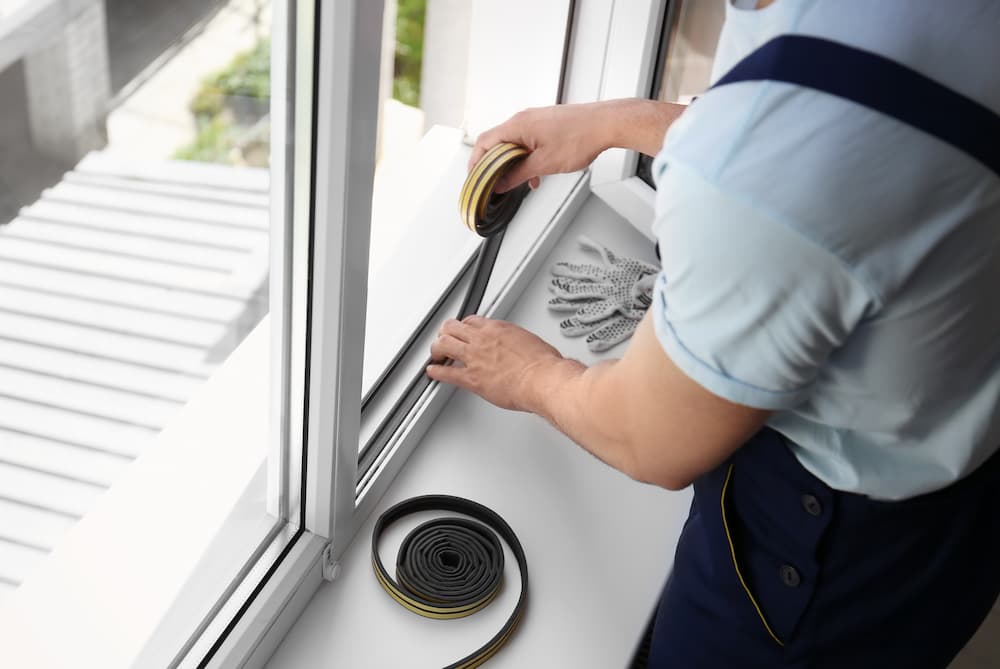
Energy-Efficient Windows
Windows leak a lot of heat energy. In the summer, hot sunlight will pierce through the glass, and in the winter, the heat from your furnace will press up against the windows and seep out. This is because older windows have poor R-value, or insulative value, to keep both heat and cold contained on the right side of the glass.
Replace your home’s old windows with more energy-efficient custom windows that feature options like:
- Insulation with a low U-factor
- Double- or triple-paned glass, with the spaces in between the glass helping to insulate your home
- Argon gas-filled windows for more insulative power
- Window frames made of material with a greater insulation factor
- Low-E coatings on the glass reduce energy transfer and can even reduce sunlight passing through
If you have a home with a lot of big windows, focusing on replacing them can have the most substantive impact on your energy usage.
Adding thick curtains and window treatments can also mitigate energy loss. However, addressing drafts and poor insulation in the window itself is generally more effective.
Door Solutions for Energy Savings
Second to windows, home doors have a significant impact on how energy-efficient or energy-inefficient your home is. Older doors with a hollow core will conduct a lot of heat energy, leaving your front room chilly in the winter. Older doors will also develop drafts over time if they don’t have a proper air seal or become misaligned.
To save more energy, replace your doors with Energy STAR-rated doors or fiberglass doors with a polyurethane core. You can also add extra sealing around the door by installing weatherstripping, or you can insulate the thresholds and sills to create fewer opportunities for energy loss.
Home Insulation Improvements
Once you’ve updated your home’s windows and doors, consider the walls themselves. Depending on the age of your home, there may already be foam insulation in the wall cavities along the exterior perimeter of your home. However, older homes may have inferior insulation or no insulation at all. When you next have a significant home renovation, such as a bathroom remodel or new siding installed, take the opportunity to add insulation in any opened wall cavities.
You can also add thicker insulation in your attic. Blown-in or foam insulation should cover the ceiling (or interior eaves) and floor of the attic. Professionals can calculate the right number of inches of insulation for your home.
Maintenance and Upkeep
While big upgrades and installations will have the most significant effect on your energy bills, small changes matter, too. As the last of our energy-saving tips, don’t forget routine maintenance tasks and energy efficiency tips such as:
- Replacing damaged weatherstripping
- Caulking along your windows and door frames to seal up holes
- Checking around your windows, doors, chimney, and canned lights for dampness and drafts
- Switching your ceiling fans to the reversed setting
Contact Bluebird Windows & Doors for More Information and Services
Knowing how to save electricity this winter can reduce your bills and keep you more comfortable. Start by exploring your window and door options at Bluebird Windows & Doors to see how you can significantly increase your home’s energy efficiency, or talk to our friendly service team about how to make your house more energy-efficient for every season.
Image Source: New Africa/Shutterstock